Grid-Tied vs Off-Grid Solar Installation: Which System Is Right for Tauranga Homeowners in 2026?
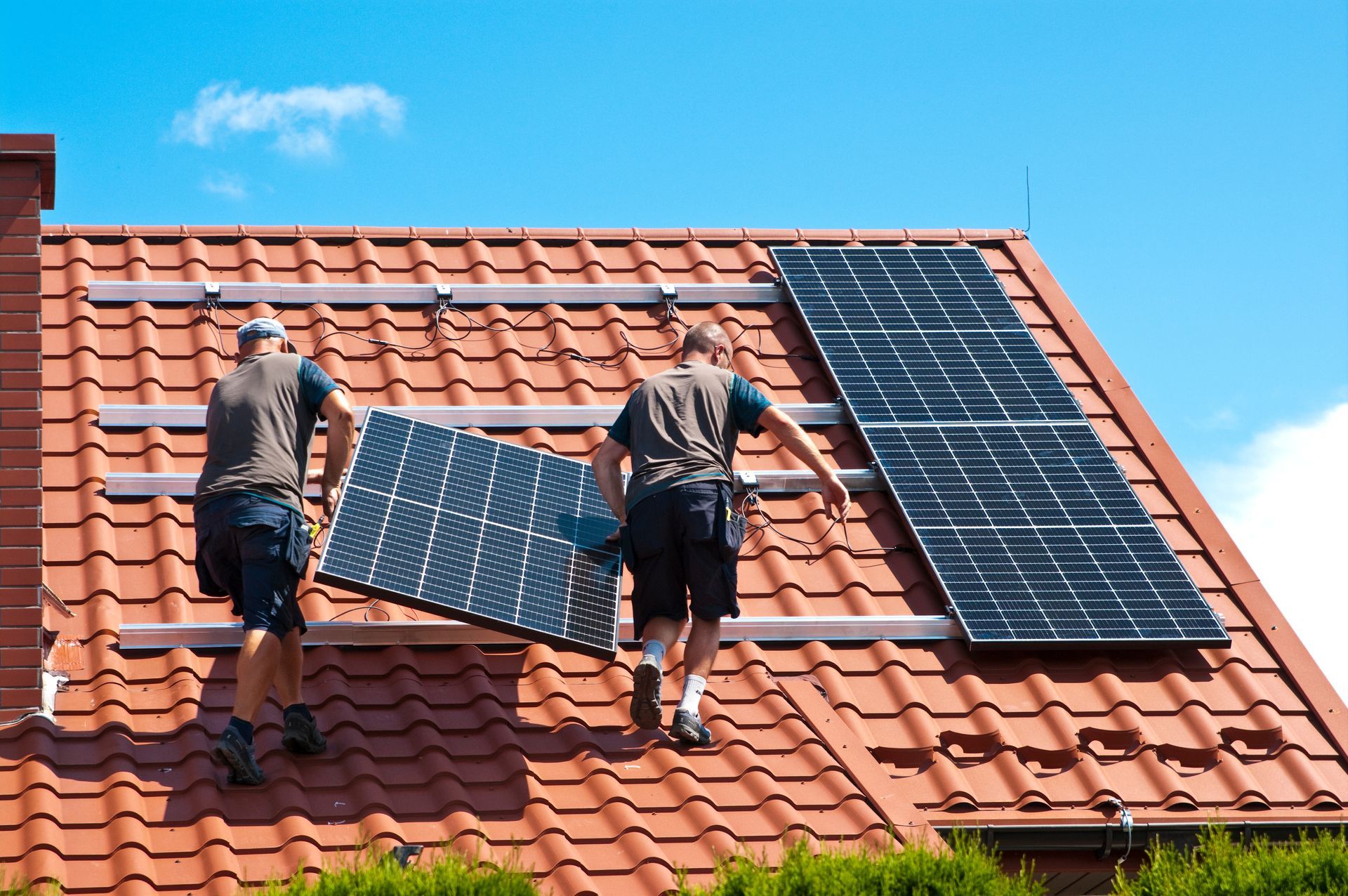
Choosing the right solar system type is one of the biggest decisions Tauranga homeowners face in 2026. Understanding the differences between grid-tied and off-grid solar installation can make all the difference for your power bills and long-term savings.
Tauranga is among New Zealand's sunniest places, with over 2,300 hours of annual sunshine. That natural advantage makes solar a practical choice for most homes across the Bay of Plenty, whether you're in Papamoa, Bethlehem, Mount Maunganui, or the city centre.
What Is a Grid-Tied Solar System?
A grid-tied solar system connects your home panels directly to the public electricity network, managed locally by Powerco. Grid connection applications go through your electricity retailer, and Powerco does not charge a connection fee for systems under 10kW.
When your panels produce more power than you use, the surplus flows to the grid and your retailer pays you a buy-back rate. In 2026, these rates vary significantly by retailer, so comparing options before you commit is worthwhile.
The main limitation is that grid-tied systems typically shut down during a grid outage, even if the sun is shining, for safety reasons.
How Does an Off-Grid Solar System Differ?
An off-grid system cuts ties with the grid entirely, relying on battery storage to supply power around the clock. This suits rural Bay of Plenty properties or lifestyle blocks where grid connection is costly or unavailable. It does require a larger battery bank and a carefully sized panel array to cover cloudy winter days.
Bay of Plenty systems can produce up to 7.4 kWh per day in summer while maintaining around 2.6 kWh daily in winter. Off-grid homeowners need to plan for that lower winter output when sizing battery capacity.
The Hybrid Option: Best of Both Worlds?
Hybrid solar systems stay grid-connected but include battery storage, letting you store excess daytime generation, draw from your battery at night, and fall back on the grid if needed. For Tauranga families with high evening energy use, a hybrid setup often offers the most flexible and resilient outcome.
Will My System Still Work in Tauranga Winter?
Yes. Panels still generate power on overcast days, typically at 10 to 25 per cent of peak output. Tauranga winters are mild, and your system will generate meaningful power year-round.
How Does the Powerco Grid-Connection Process Work?
A good local installer will handle the paperwork on your behalf. The process typically takes four to eight weeks post-installation, and Tauranga connections tend to be more straightforward than high-demand areas like Auckland.
What Is the Payback Period for Solar in Tauranga?
Payback timelines vary depending on system size, energy usage, and the buy-back rate you secure. Solar panel paybacks are getting down to almost four years, making now a strong time to investigate your options.
Get Expert Advice on Solar Installation in Tauranga
The right system depends on your property, energy goals, and budget. Energy Services is Tauranga's local team for professional solar installation https://www.energyservices.co.nz/solar-pv, covering residential and commercial properties across the Bay of Plenty. Call 07 578 4334 for a free, no-obligation quote, or get in touch online to discuss which system suits your home.
| Feature | Grid-Tied | Off-Grid | Hybrid |
|---|---|---|---|
| Battery Storage | No | Yes | Yes |
| Powers home in outage | No | Yes | Yes |
| Buy-back rate eligible | Yes | No | Yes |
| Best suited to | Urban homes | Rural properties | Most households |
| Upfront investment | Lower | Higher | Mid-to-high |